Autonomous Third-Party Risk Operations.
90% less manual assessment work
100% vendor coverage at scale
“Zania’s agents turned our risk assessments from a manual marathon into an automated sprint, slashing the effort to a fraction of what it was.”

Kenneth Moras
Head of Security at Plaid
Trusted by Enterprise Security Teams
Security and GRC leaders use Zania to reduce manual effort, improve assessment consistency, and scale third-party risk programs without expanding headcount.
“Zania’s AI agents eliminate the manual burden of vendor management, significantly cutting down the time spent reviewing evidence. This allows GRC professionals to focus on higher-value, strategic risk work."

Sakshi Porwal
Global CISO at Compunnel
Why Enterprise Teams Choose Zania
Traditional TPRM
Manual evidence review
Static annual assessments
Analysts manage every workflow
Multiple disconnected tools
Programs scale with more headcount
Zania
AI agents analyze evidence automatically
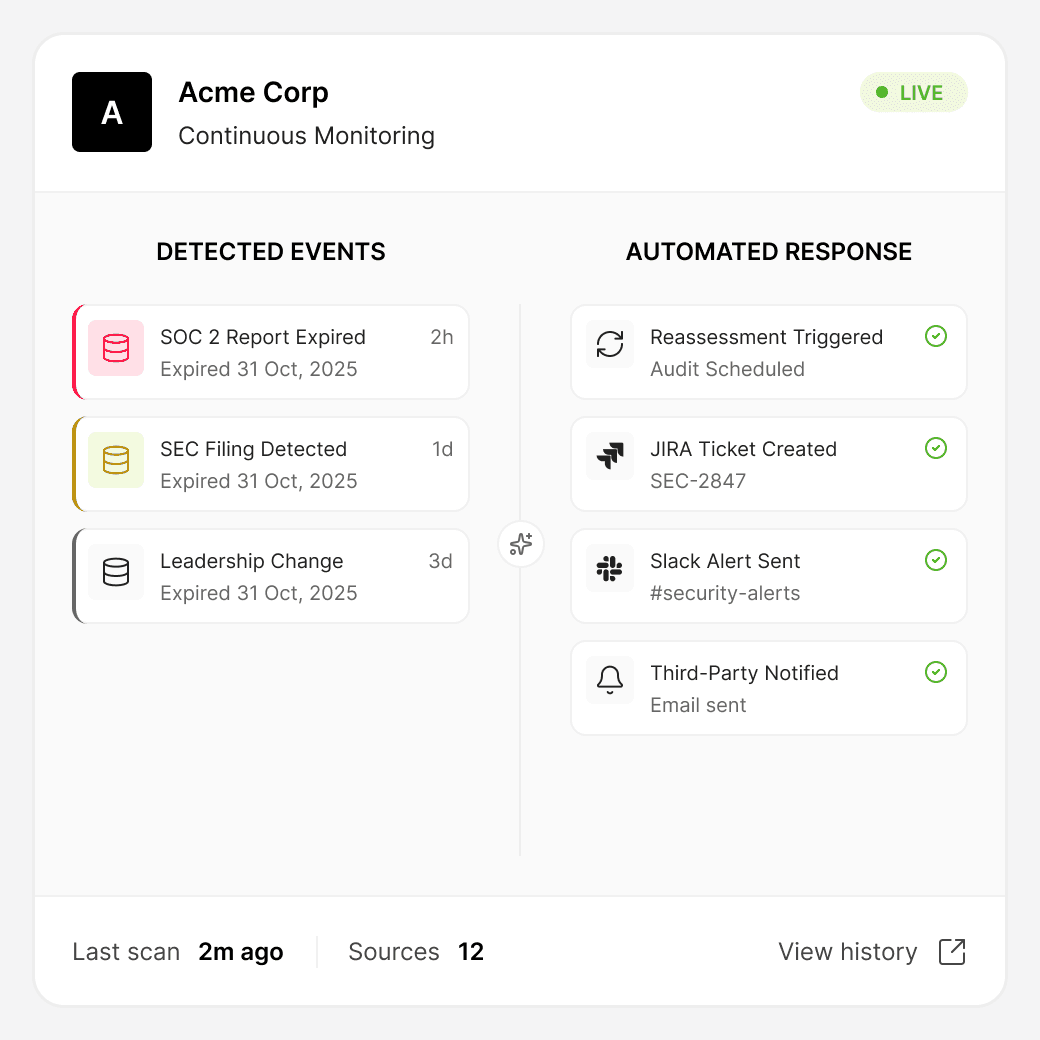
Continuous monitoring with automated reassessments
AI agents execute repetitive assessment tasks
Unified platform for assessment, monitoring, and reporting
Scale vendor reviews without proportional staffing increases
Built for Enterprise Third-Party Risk Programs
Whether you’re assessing hundreds or thousands of vendors, Zania helps security and GRC teams standardize assessments, automate repetitive work, and maintain continuous visibility across the vendor lifecycle.
Enterprise Security Teams
Reduce manual assessment work while maintaining consistent, evidence-based risk decisions.
GRC & Risk Teams
Standardize workflows, improve audit readiness, and manage vendor risk from a single platform.
Global Organizations
Support multiple business units, custom workflows, and enterprise-scale vendor programs without increasing operational complexity.
Legacy system of record
Routes work between people. Teams still own collection, review, follow-up, and reassessments.
AI-assisted point tools
Accelerates isolated tasks, but leaves your team coordinating the full workflow and stitching evidence together.
Zania autonomous platform
Agents execute the workflow across systems. Your team sets policy, approves decisions, and governs exceptions.
Your autonomous TPRM operating layer.
See how Zania’s agents fit into your third-party risk architecture, integrate with your existing systems, and keep your team in control.
Frequently asked questions
Why do traditional third-party risk programs break down at scale?
Traditional TPRM programs rely heavily on manual coordination across questionnaires, evidence review, follow-ups, and reassessments. As third-party volume grows, this creates bottlenecks, inconsistent reviews, and long assessment cycles. Since risk changes between reviews, point-in-time assessments quickly become outdated, leading to higher overhead and gaps between documented compliance and actual risk.
How is Zania different from legacy TPRM platforms, risk rating tools, and AI-assisted products?
Legacy TPRM platforms primarily track workflows and documentation. Risk rating tools focus on external signals but lack context on how a vendor is actually used. AI-assisted products help analysts work faster but still rely on humans to execute most of the process. Zania’s agents run the full TPRM workflow using your risk methodology, from intake to reassessments, while humans focus on review and approval.
What parts of TPRM does Zania handle, and where do teams stay involved?
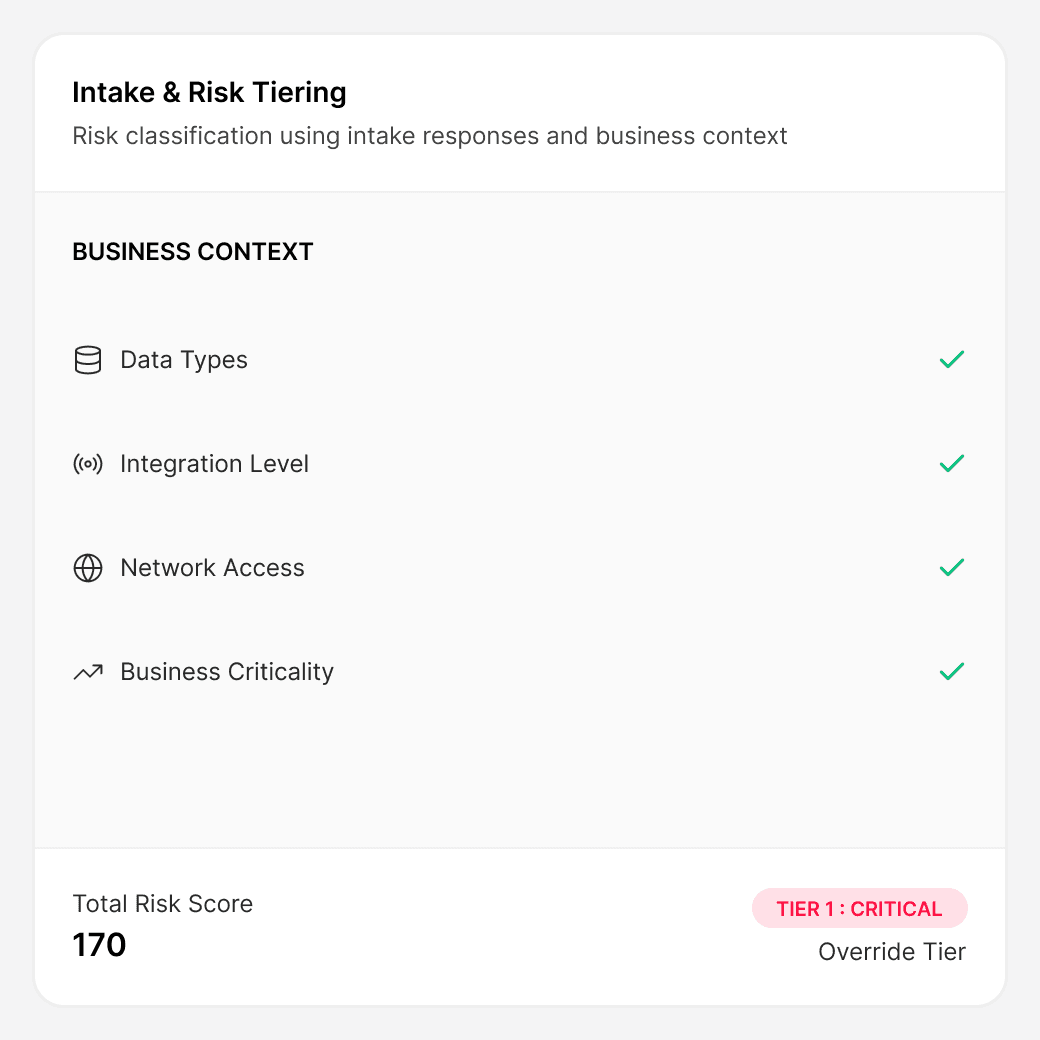
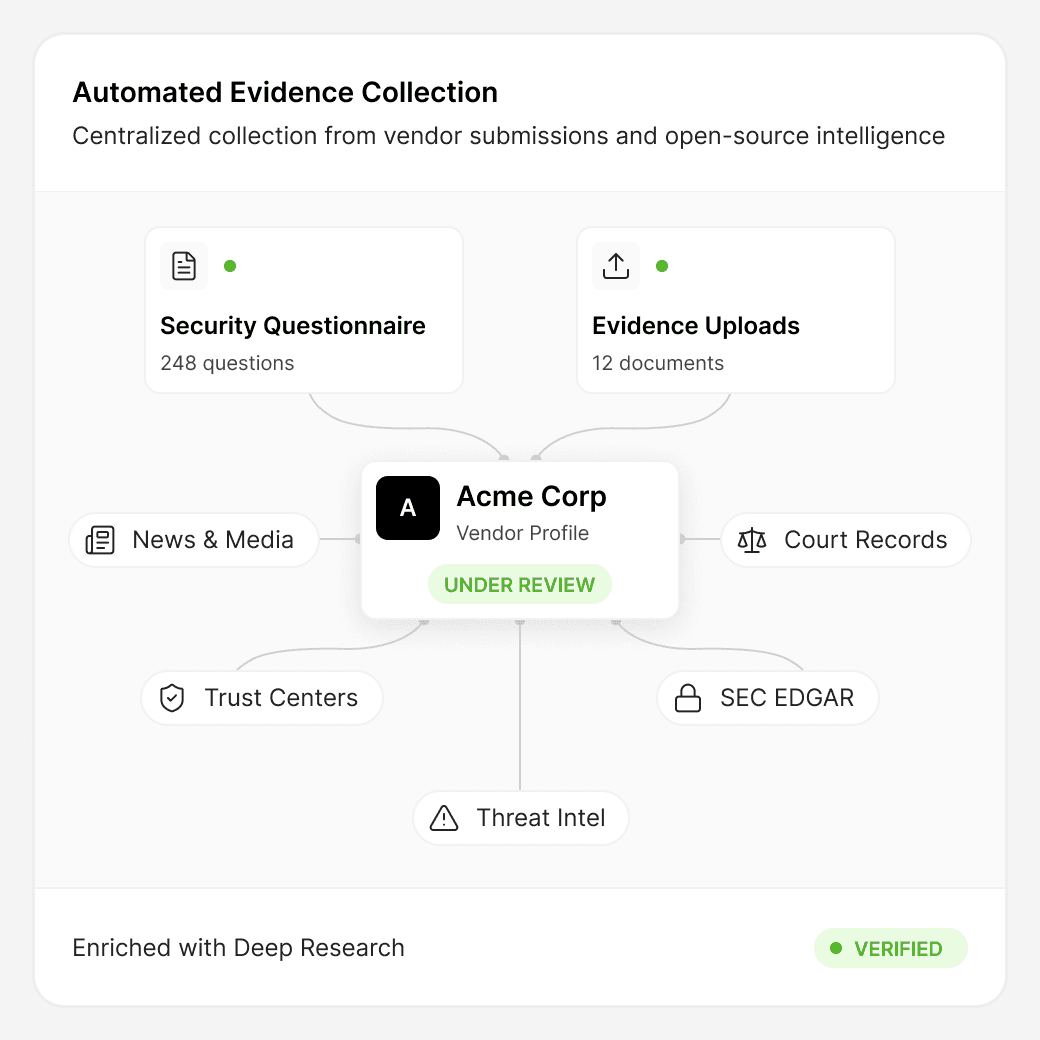
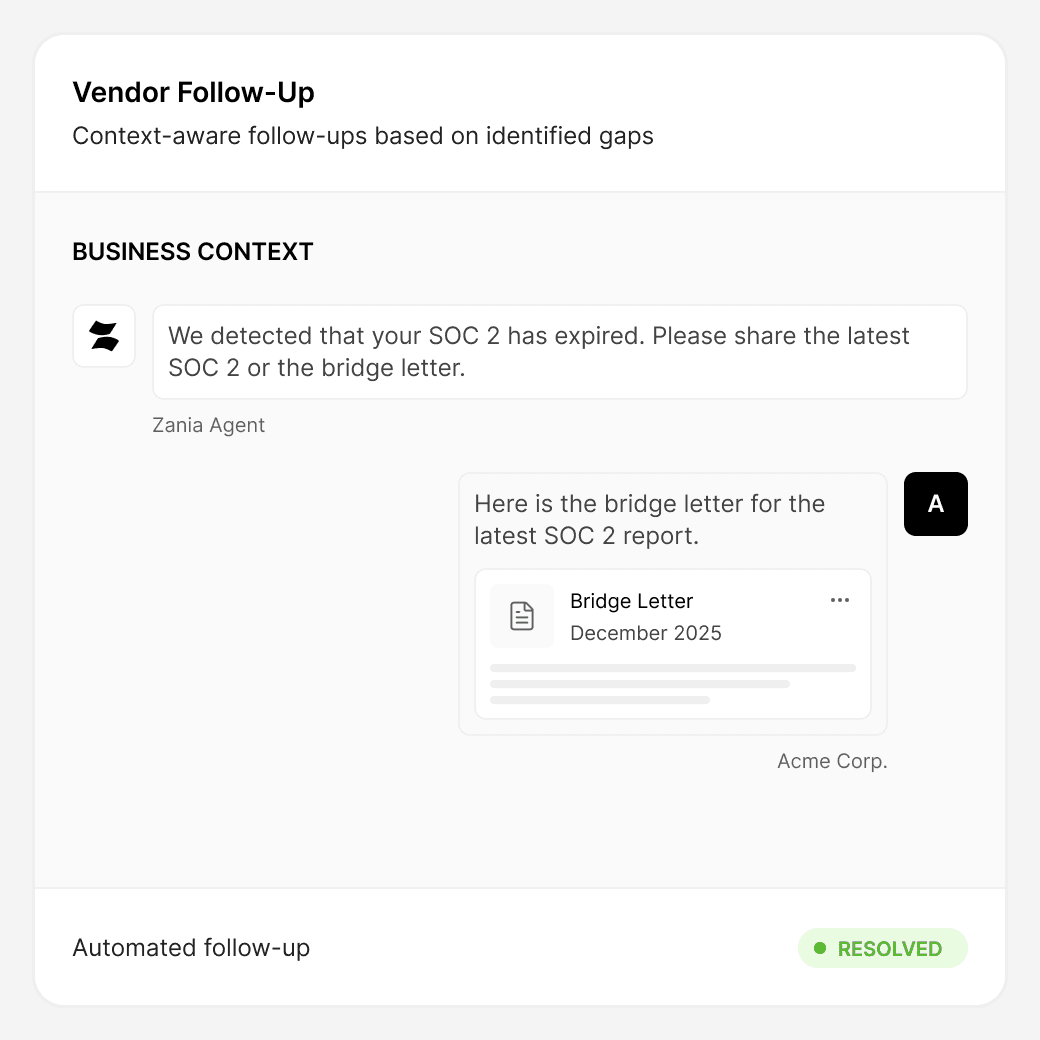
Zania handles the operational execution: scoping assessments, collecting and validating evidence, researching vendor risk, managing follow-ups, and triggering reassessments when risk changes. Your team stays involved where judgment matters. They review findings, handle exceptions, and make final risk decisions. Zania extends your team’s capacity; it doesn’t replace oversight.
How does Zania ensure assessment quality and accuracy?
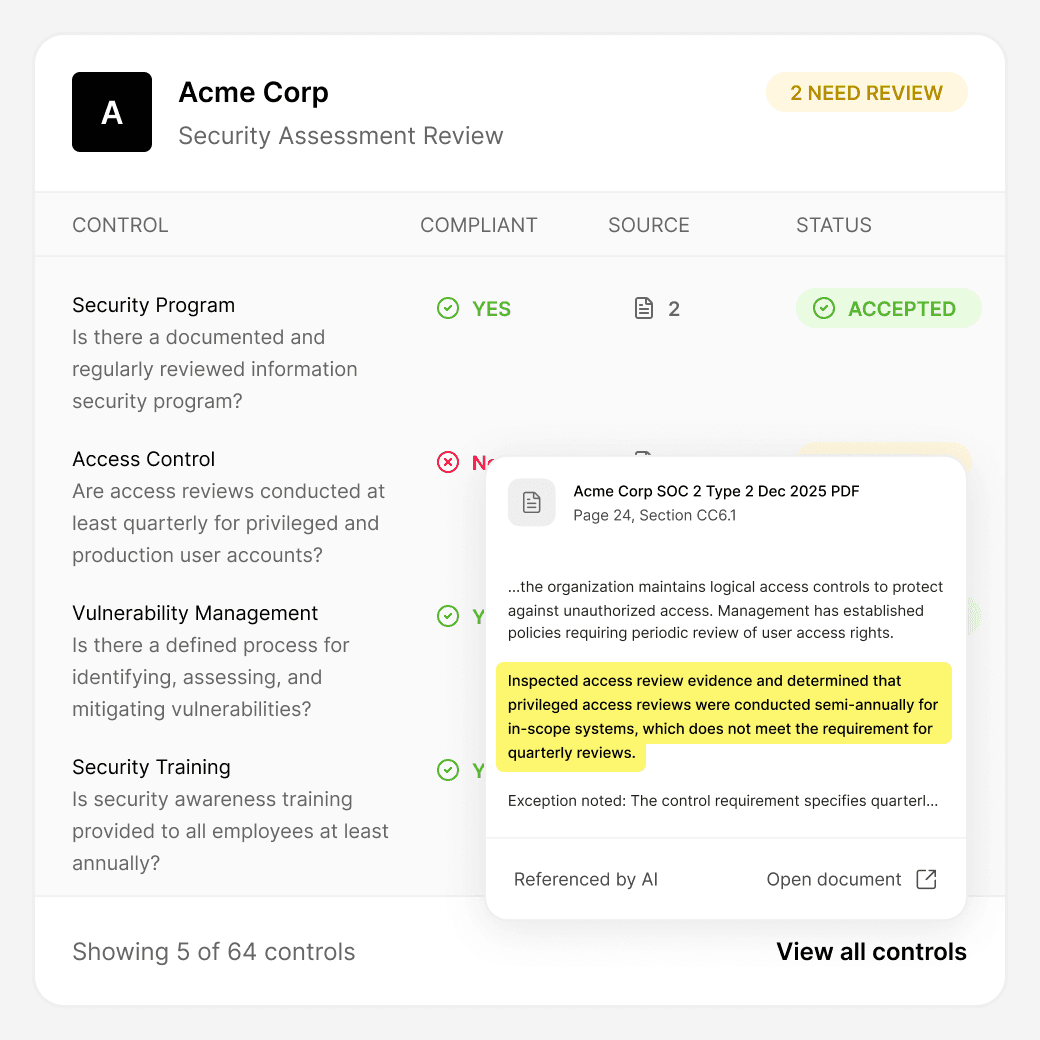
Zania’s agents follow your defined standards consistently across every third-party. Evidence is validated against signals from disclosures, trust centers, breach history, financial filings, and other external sources. Every finding includes clear rationale and source references, allowing teams to review or escalate decisions with confidence. In practice, customers see high assessment accuracy at scale without reviewer fatigue or shortcuts, even as third-party volume grows.
How does Zania support auditability and regulator scrutiny?
Zania produces complete, traceable assessments rather than black-box scores. Each decision links back to evidence, sources, and reasoning, preserving full audit context. Teams can review historical assessments, understand why conclusions were reached, and demonstrate consistency during audits or regulatory reviews.
Does Zania integrate with ServiceNow, Jira, and existing GRC tools?
Yes. Zania integrates with enterprise tools including ServiceNow, Jira, identity providers, collaboration platforms, and other systems through APIs and webhooks, allowing your existing workflows to remain intact.
How does Zania continuously monitor third-party risk after onboarding?
Zania continuously monitors vendor security posture and automatically triggers reassessments when meaningful changes occur, helping teams keep risk decisions current without manual follow-up.
What parts of the third-party risk assessment process does Zania automate?
Zania automates vendor intake, evidence collection, questionnaire review, risk analysis, follow-ups, continuous monitoring, and reassessments. Security teams stay in control of approvals, exceptions, and final risk decisions.

© 2026 Zania Inc.
1950 University Ave Palo Alto, CA 94303